

Buff Orpington Chicken
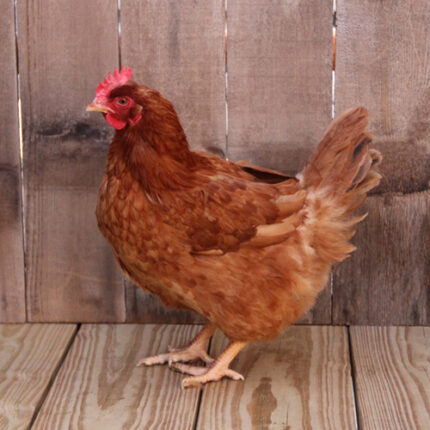
The Buff Orpington chicken is a popular heritage chicken known for its beautiful golden-buff plumage, large body, calm temperament and useful brown egg production.
Originally developed in Orpington, Kent, England, the Orpington breed was created by William Cook during the late 1800s. The Buff variety was one of the early Orpington colour varieties and became especially popular for its attractive appearance and practical qualities.
If you are looking for a friendly, substantial backyard chicken with an attractive appearance and dual-purpose qualities, the Buff Orpington can be an excellent addition to your flock.
Buff Orpington Chicken Facts
| Characteristic | Buff Orpington |
|---|---|
| Breed Type | Dual-purpose |
| Origin | England |
| Primary Uses | Eggs and meat |
| Egg Colour | Brown |
| Egg Size | Large to extra large |
| Temperament | Calm and friendly |
| Male Weight | Approximately 10 lbs |
| Female Weight | Approximately 8 lbs |
| Plumage | Golden buff |
| Legs | Clean-legged |
| Popularity | Backyard and small-flock favourite |
| Breed Class | English |
The Livestock Conservancy describes Orpingtons as dual-purpose chickens used for eggs and meat, with large to extra-large brown eggs and a calm, friendly disposition.
Buff Orpington Chick
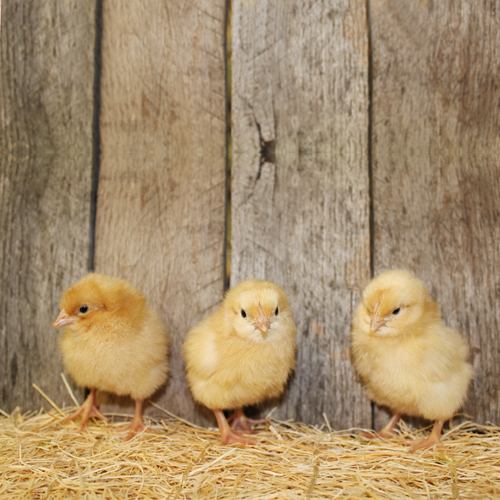
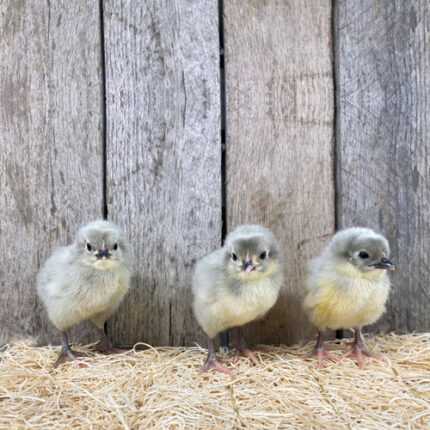
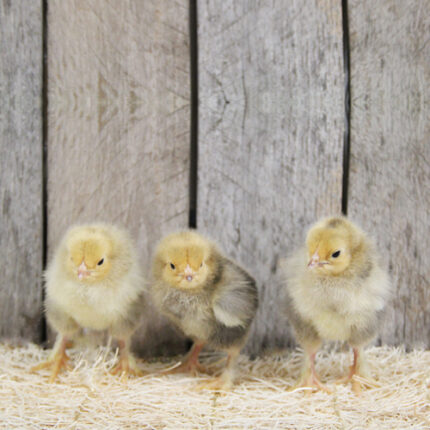
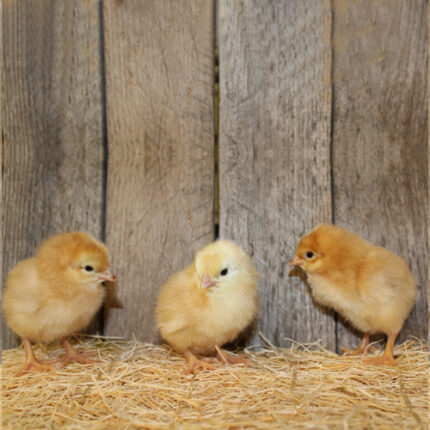
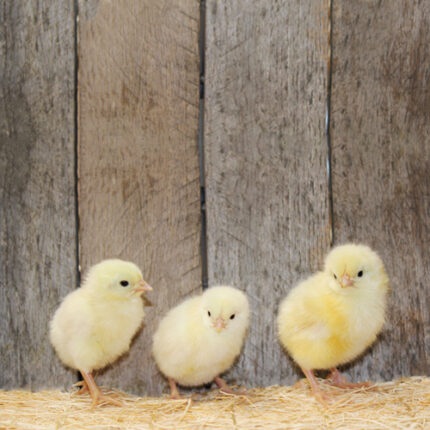
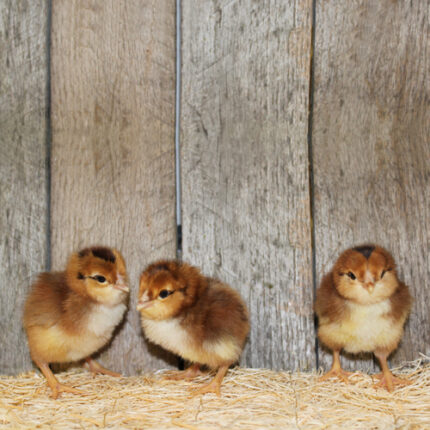
A Buff Orpington chick is instantly appealing because of its soft, fluffy appearance and warm yellow-to-buff colouring.
As a young chick develops, its down gradually gives way to the full golden-buff plumage that makes mature Buff Orpingtons so recognisable.
If you are buying a buff orpington chick, prepare a clean and secure brooder before the chick arrives. Young poultry need suitable heat, fresh water, appropriate chick starter feed, dry bedding and protection from drafts and predators.
A Buff Orpington chick can be a rewarding choice for poultry keepers who enjoy raising their birds from the earliest stage and watching them develop into large, beautifully feathered adults.
Buff Orpington as a Chick
Understanding a Buff Orpington as a chick is useful for anyone planning to raise this breed.
Appearance
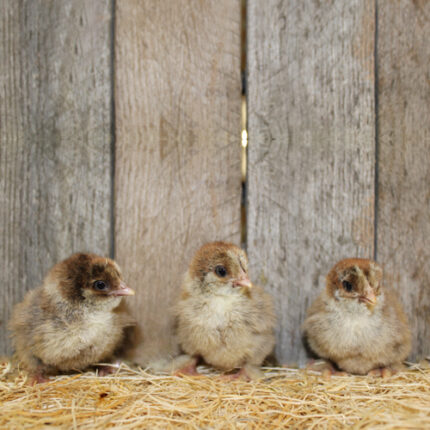
Young Buff Orpingtons have soft down that is generally yellow or buff in appearance. As they mature, their feathers develop the rich golden-buff colour associated with the breed.
Growth
Buff Orpingtons develop into large-bodied chickens. Mature Orpington males can reach approximately 10 pounds, while females can reach around 8 pounds.
Because of their eventual size, provide growing birds with enough room to move, eat and drink comfortably.
Temperament
Orpingtons are known for their calm and friendly disposition. This characteristic contributes to their popularity among backyard poultry keepers.
Chicken Buff Orpington Appearance
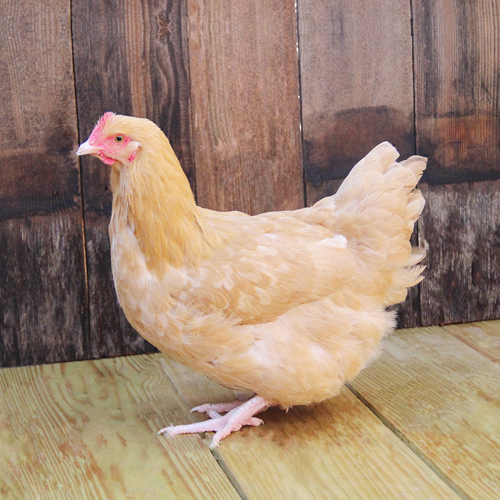
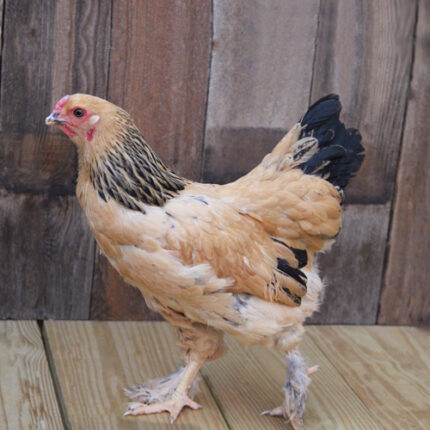
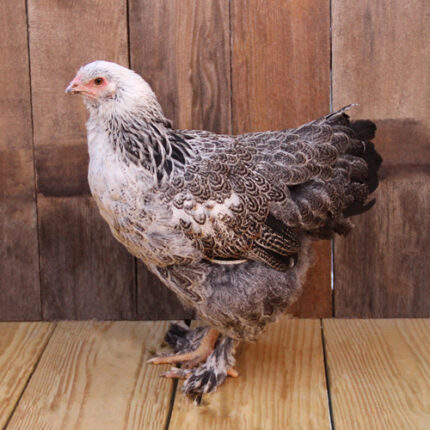
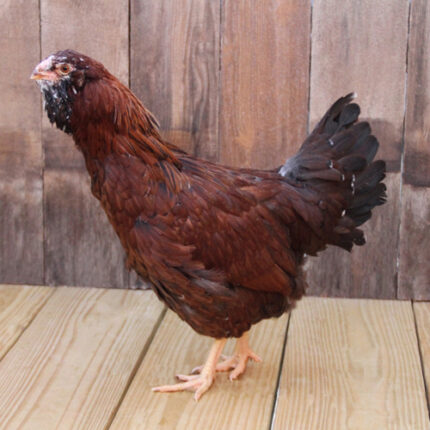
The chicken Buff Orpington is best known for its warm golden-buff plumage and full, rounded body shape.
Typical characteristics include:
- Golden-buff feathers
- Broad body
- Full, soft feathering
- Clean legs
- Red comb and wattles
- Brown eyes
- Large body size
- Rounded overall appearance
The dense feathering gives Buff Orpingtons a particularly soft and substantial appearance.
Their colouring also makes them highly recognisable in a mixed backyard flock.
Buff Orpington Egg Production
Buff Orpington hens are valued for producing large to extra-large brown eggs.
The Orpington was originally developed as a practical dual-purpose chicken, with both egg production and table qualities being important breeding goals.
Actual egg production varies according to genetics, age, nutrition, daylight, housing and overall flock management.
For backyard keepers, the Buff Orpington offers a useful combination of attractive appearance and practical egg production.
If brown eggs are important to your flock, Buff Orpingtons can complement other brown egg laying chicken breeds.
Buff Orpington Temperament
One of the most appealing characteristics of the Buff Orpington chicken is its generally calm and friendly personality.
Orpingtons have a reputation for being easygoing birds, making them popular with backyard chicken keepers and small-scale poultry owners. The Livestock Conservancy specifically lists the breed’s temperament as calm and friendly.
Individual chickens will naturally have their own personalities, but Buff Orpingtons are generally considered a manageable and personable breed.
Buff Orpington Chick Care
When raising a buff orpington baby chicken, providing the correct early care is essential.
Brooder Setup
Give chicks a clean, secure brooder with appropriate heat and enough room to move between warmer and cooler areas.
Feed
Provide a quality commercial chick starter formulated for young poultry.
Fresh Water
Clean drinking water should always be available. Use a suitable chick waterer to help prevent chicks from getting wet or contaminated water.
Bedding
Keep bedding clean and dry and remove wet or heavily soiled material regularly.
Space
As Buff Orpington chicks grow, gradually provide more space to accommodate their increasing body size.
The Livestock Conservancy provides additional resources for evaluating and managing heritage chickens, including information on selecting birds for egg production and growth characteristics.
Buff Orpington Chicks for Sale
If you are searching for buff orpington chicks for sale, these chicks can be a great way to establish a flock of one of the best-known Orpington varieties.
When purchasing Buff Orpington chicks, check:
- Current availability
- Hatch dates
- Chick sexing options
- Minimum order requirements
- Shipping or collection information
- Chick health policies
- Available quantities
Prepare your brooder and housing before your chicks arrive.
Because Buff Orpingtons become large adult chickens, plan your future coop and run around their mature size rather than their small chick size.
Buff Orpington Chicken Breed History
The Orpington breed was developed in Orpington, Kent, England, by William Cook during the late nineteenth century.
Cook introduced the Black Orpington in 1886 and subsequently developed additional colour varieties, including White, Buff, Jubilee and Spangled. The Blue and Cuckoo varieties were later developed by Cook’s son-in-law, A.C. Gilbert.
The Buff Orpington became especially popular in the United States because of its distinctive colour and practical table qualities.
The Orpington breed was recognised by the American Poultry Association in several varieties, with Buff recognised in 1902.
Why Choose a Buff Orpington Chicken?
There are several reasons poultry keepers choose Buff Orpingtons for backyard and small-farm flocks.
Beautiful Golden-Buff Plumage
The rich buff colour makes these chickens stand out in almost any flock.
Calm Temperament
Buff Orpingtons are known for their calm and friendly disposition.
Brown Eggs
Hens produce large to extra-large brown eggs.
Large Body
Their substantial size gives them both ornamental appeal and traditional dual-purpose value.
Heritage Breed Appeal
The Orpington has a long history as a practical English chicken breed and remains popular with small flock keepers.
Buff Orpington Chick vs Adult Chicken
If you are deciding whether to purchase chicks or mature birds, understanding the difference can help.
Buff Orpington chicks are small, fluffy and require brooding.
Growing Buff Orpingtons gradually develop their adult feathering and body shape.
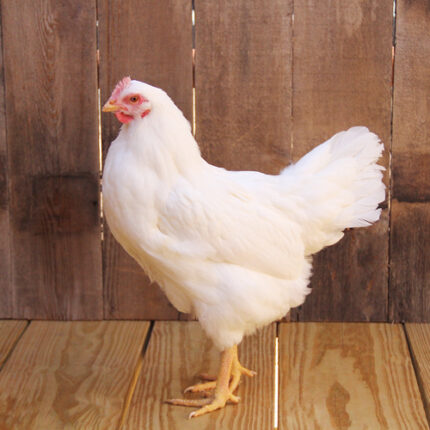
Adult Buff Orpington chickens are large, full-bodied birds with characteristic golden-buff plumage.
Raising a Buff Orpington as a chick allows you to watch this entire transformation from young chick to mature backyard chicken.
Buff Orpington Chicken for Backyard Flocks
Buff Orpingtons are well suited to backyard and small-flock environments when their housing and care requirements are properly managed.
Provide:
- Secure housing
- Adequate floor space
- Clean water
- Balanced feed
- Dry bedding
- Good ventilation
- Predator protection
- Suitable outdoor space
Because Orpingtons are relatively large chickens with substantial feathering, avoid overcrowding and keep their living area clean and dry.
The Livestock Conservancy notes that Orpingtons became particularly popular with small flocks and backyard egg production.
Is the Buff Orpington Chicken Right for You?
A Buff Orpington may be a suitable choice if you are looking for:
- A large backyard chicken
- A calm and friendly breed
- Golden-buff plumage
- Brown egg production
- A dual-purpose chicken
- A traditional heritage breed
- A visually appealing flock member
- A chicken suitable for small-scale keeping
Their larger size should be considered when planning housing, feeding and outdoor space.
Buy Buff Orpington Chicken
If you want to buy Buff Orpington chicken, consider the number of birds you want, your available space and the climate in which they will be raised.
When purchasing chicks, check the current product details for availability, hatch dates, sexing information and shipping requirements.
For customers specifically looking for buff orpington chicks for sale, preparing your brooder before delivery will help ensure your young birds have a safe environment from the moment they arrive.
Buff Orpington Baby Chicken
A buff orpington baby chicken needs careful attention during its early weeks.
Young chicks should have:
- Appropriate brooder heat
- Clean drinking water
- Quality chick starter feed
- Dry bedding
- Adequate ventilation
- Protection from drafts
- Protection from predators
- Enough space to move comfortably
As chicks mature, gradually transition them into appropriately sized housing based on their development, feathering and weather conditions.
Buff Orpington Chicken
The Buff Orpington chicken remains a popular choice for poultry keepers who want a combination of beauty, size, temperament and practical flock value.
From the fluffy buff orpington chick to the mature golden-buff adult, this breed offers a distinctive appearance throughout its development.
If you are ready to add this classic English breed to your flock, explore our available Buff Orpington chicks and choose the birds that fit your poultry-keeping plans.
FAQ: Buff Orpington Chicken
What is a Buff Orpington chicken?
A Buff Orpington is a colour variety of the Orpington chicken breed, recognised for its golden-buff plumage, large body and calm temperament. The Buff variety was one of the early Orpington varieties developed by William Cook.
What does a Buff Orpington chick look like?
A Buff Orpington chick has soft, fluffy down that is generally yellow to buff in appearance. Its adult golden-buff feathers develop as it matures.
What does a Buff Orpington look like as a chick?
A Buff Orpington as a chick is small and fluffy, with developing buff-coloured down. As the bird grows, it gradually develops the fuller feathering and large body associated with the mature breed.
What colour eggs do Buff Orpington hens lay?
Buff Orpington hens lay brown eggs, generally described as large to extra large.
Are Buff Orpington chickens friendly?
Yes. Orpingtons are generally described as having a calm and friendly disposition. Individual birds can vary in temperament.
How big do Buff Orpington chickens get?
Adult Orpington males typically weigh around 10 pounds and females around 8 pounds, although individual birds and breeding lines can vary.
Are Buff Orpingtons good backyard chickens?
Their calm temperament, attractive appearance and dual-purpose qualities make them popular for backyard and small-flock environments.
Are Buff Orpington chickens good layers?
Buff Orpingtons are useful brown-egg layers and were developed as a dual-purpose breed. Actual egg production varies with genetics, age, nutrition, daylight and management.
Are Buff Orpingtons dual-purpose chickens?
Yes. The Orpington breed was developed for both egg production and table qualities.
Where can I find Buff Orpington chicks for sale?
Look for reputable hatcheries or breeders offering buff orpington chicks for sale and review their current availability, hatch dates, sexing options and shipping policies before ordering.
Official & Useful External Resources
- The Livestock Conservancy — Orpington Chicken — Breed history, characteristics, egg colour, size and temperament.
- The Livestock Conservancy — Heritage Chicken Manual — Resources covering selection and management of heritage chickens.


Reviews
There are no reviews yet.